
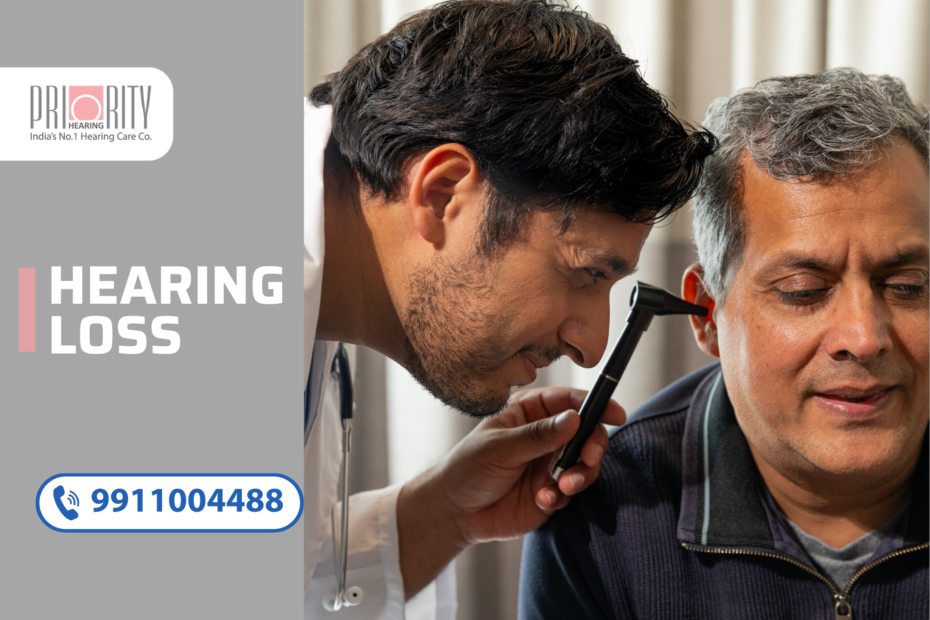
Hearing loss in India is a major public health concern, upsetting millions of people and affecting their communication, quality of life, and overall well-being. Understanding the types, causes, symptoms, diagnosis, treatment options, hearing aids, cochlear implants, and defensive actions is essential for effective hearing healthcare. This article provides an overview of hearing impairment in India, its occurrence, risk factors, latest diagnostic progresses, and available treatment solutions, while highlighting the need for greater awareness, early intrusion, and improved access to hearing care services.
Indication of Hearing Loss in India
Hearing loss is a silent prevalent sweeping through India, affecting millions and often going ignored until it becomes a important barricade to communication. With the rapid pace of urbanization, rapid population growth, and lifestyle changes, sympathetic the scenery of hearing damage is more dangerous than ever.
Occurrence and Statistics
According to the World Health Organization (WHO), approximately 63 million people in India suffer from some form of hearing loss, making it one of the leading causes of disability in the country. That’s unevenly 5% of the population! As disturbing as it sounds, early discovery and involvement can knowingly improve the quality of life for those affected.
Demographic Factors
Hearing loss doesn’t favour; it affects people across all age groups and demographics. However, convinced groups, such as the elderly and those living in rural areas, are mainly helpless. Factors like access to healthcare, education, and socioeconomic status can also effect the frequency of hearing impairment in different regions.
Types of Hearing Loss
Sympathetic the types of hearing loss is like steering through a web—each twist and turn reveals something new. Here’s a breakdown of the main groups.
Conductive
Hearing Loss Imagine trying to hear someone speak while underwater—annoying, right? That’s a bit like what people with conductive hearing loss experience. This type arises when sound waves are filled from reaching the inner ear, often due to earwax build-up, fluid in the middle ear, or ear infections. The good news? Many cases can be treated successfully!
Sensory Neural Hearing Loss
Welcome to the club of sensory neuronal hearing loss, where the issue lies in the inner ear or the auditory nerve. This type is often permanent and can result from aging, experience to loud noise, or genetic character. Think of it as the violin of the hearing world—beautiful but gentle, often requiring particular attention.
Mixed Hearing Loss
As the name advises, mixed hearing loss is a combo plate of both conductive and sensory neuronal hearing loss. It’s like ordering a pizza with all your favorite toppings; it’s a little more difficult but still wieldy with the right treatment. Auditory Processing Disorders This type of hearing loss can be a real head-scratcher. Persons with auditory processing disorders can hear sounds but struggle to interpret or process them correctly. It’s like receiving a message in a foreign language—you hear the sounds, but good luck understanding what’s being said.
Causes of Hearing Loss
Diving into the causes of hearing loss is akin to shedding an onion—there are layers and sometimes you might shed a tear. Here are some of the common criminals.
Genetic Factors
If you’ve got a family history of hearing loss, you might want to take note. Genetic dispositions can meaningly increase the risk of developing hearing losses, and while you can’t pick your family, knowing your genomic background can guide defensive measures.
Environmental Factors
Life in a bustling city can come with its own traditional of tests, especially when it comes to hearing. Environmental factors like exposure to impurities, rollup smoke, or certain chemicals can contribute to hearing loss, leading many to wonder if their city is more “Noisyville” than “Calmness Town.”
Age-Related Causes
Age-related hearing loss, or presbycusis, naturally sets in after the age of 60, when the inner ear structures start to wear down. It’s a common and often unavoidable part of growing older.
Noisy Environments
For those who love concerts, construction sites, or any setting that resembles a rock concert, be cautious! Long exposure to noisy atmospheres is a ticket to possible hearing loss. Protect your ears; they’ll thank you later!
Infections and Illnesses
Certain infections and diseases, mainly during childhood, can lead to hearing loss. Situations like otitis media (middle ear infection) and meningitis can damage the ear and its surrounding structures. While vaccines and timely treatment can help, it’s vital to be aware of these risks.
Diagnosis of Hearing Loss
Detecting hearing loss can occasionally feel like searching for a hand in a haystack. However, with a methodical approach, it becomes a lot easier to locate the problem.
Clinical Assessment and History
The first step in the diagnosis process includes a thorough clinical assessment. Doctors will ask about symptoms, medical history, and any potential risk factors. It’s important to be honest so they can help you hear your favourite tunes again!
Hearing Tests and Audiometry
Next up are hearing tests, such as audiometry, which procedures how well you can hear different sounds and terrains. It’s like a melodic exam but without the stress of the final presentation. These tests can control the sternness and type of hearing loss.
Imaging and Additional Tests
If needed, imaging tests like CT scans or MRIs may be conducted to check for structural irregularities in the ear. Think of it as the high-tech way of peeping inside to see what’s going on. It’s not just about hearing; it’s about sympathetic what’s happening in those tiny, intricate assemblies!
Treatment Options for Hearing Loss
Hearing Aids
Hearing aids are like your personal speakers, turning the sound world back up to a relaxed volume. These minute devices come in many shapes and sizes, from invisible in-ear models to larger behind-the-ear options for those who favour a bit more visibility). Modern evolutions mean hearing aids can adjust automatically to different sound settings and even connect to your smartphone. Talk about a tech-savvy boost to your auditory experience!
Cochlear Implants
For those with simple hearing loss, cochlear implants could be a game-changer. Unlike hearing aids, which amplify sound, cochlear implants bypass damaged shares of the ear and directly rouse the auditory nerve. This surgical option can provide a sense of sound to persons who otherwise wouldn’t be able to hear. While it’s not a magic button for everyone – and it’s a bit more invasive – many find that it opens up a whole new world of sound. Plus, you get to impress people with tales of your “cyborg” upgrade!
Medications and Surgical Interventions
Sometimes, hearing loss can be drew to medical issues like ear infections or tumors. In these cases, medications or surgical interferences can step in and save the day. From antibiotics tackling pesky infections to procedures removing blockages or tumors, the medical world has a few tricks up its sleeve. Talk to a specialist who can steer you toward the right treatment; they might just work a little magic and restore your hearing.
Rehabilitation Programs
Once you’ve got your hearing devices or treatments in place, rehabilitation programs can help you adapt to the new sounds. These programs often include auditory training, speech therapy, and even group support sessions. Imagine learning to filter out the sounds of your neighbor’s dubious taste in music while tuning into your favorite podcast—now that’s a skill worth having! Plus, the social communication is a bizarre way to connect with others who comprehend the auditory struggle.
Preventive Measures and Awareness
Public Awareness Campaigns: Government and healthcare organizations conduct hearing screenings, educational programs, and awareness campaigns to promote early detection and treatment of hearing loss.
Education Programs: Schools and community centers help people understand hearing loss causes, prevention methods, and the importance of hearing care.
Noise Protection: Using earplugs, limiting exposure to loud sounds, and adopting workplace noise-control measures can significantly reduce the risk of hearing damage.
Key Message: Early awareness and preventive care are essential for protecting hearing health and improving quality of life.